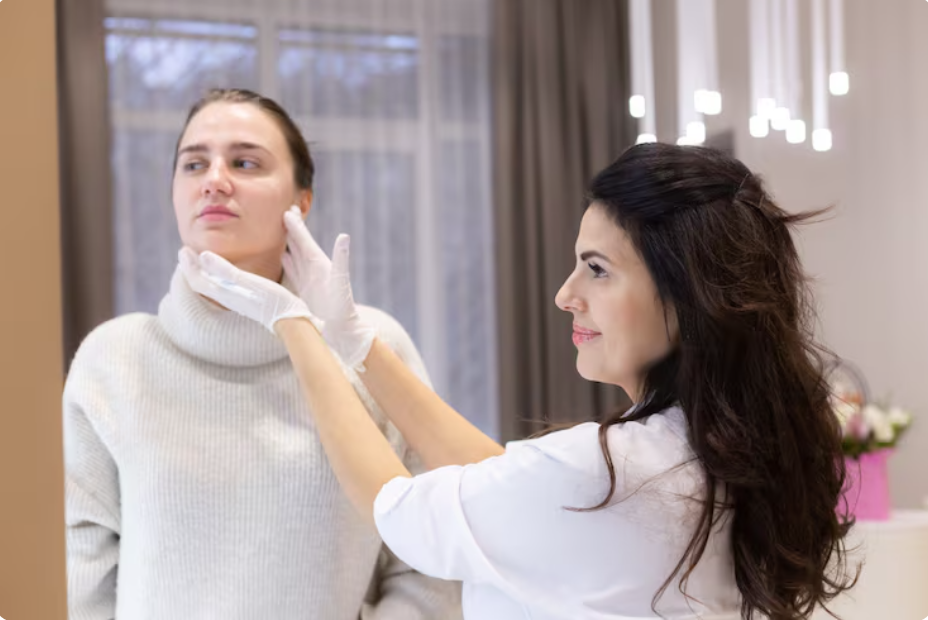
Uneven skin tone, dark spots, and pigmentation issues are common concerns affecting people of all ages. Sun exposure, hormonal fluctuations, acne scars, and aging can all contribute to discoloration and dullness. While skincare products may offer gradual improvement, deeper pigmentation often requires professional intervention. Many individuals seeking clearer skin explore Chemical peel treatment Dubai for safe and effective skin resurfacing.
What Causes Pigmentation?
Pigmentation occurs when melanin production becomes irregular. Common triggers include:
· Prolonged sun exposure
· Hormonal changes (melasma)
· Post-acne marks
· Inflammation or skin injuries
· Aging
When excess melanin accumulates in certain areas, it creates dark patches that can be difficult to treat with over-the-counter products alone.
What Is a Chemical Peel?
A chemical peel is a dermatological procedure that applies a specialized solution to the skin to remove damaged outer layers. This controlled exfoliation promotes the regeneration of new, healthier skin cells.
Depending on the severity of pigmentation, peels are categorized as:
· Superficial peels
· Medium-depth peels
· Deep peels
The choice depends on skin type, sensitivity, and treatment goals.
How Chemical Peels Improve Pigmentation
Chemical peels help by:
· Removing dead skin cells
· Reducing melanin concentration
· Stimulating collagen production
· Enhancing overall skin brightness
· Smoothing uneven texture
Individuals seeking professional Pigmentation treatment in Dubai often combine chemical peels with tailored skincare plans for optimal results.
Benefits Beyond Pigmentation
In addition to reducing dark spots, chemical peels can:
· Improve acne scars
· Minimize fine lines
· Refine pores
· Control excess oil
· Boost skin radiance
This makes them a versatile option for comprehensive skin rejuvenation.
Who Is an Ideal Candidate?
Chemical peels are suitable for individuals who:
· Experience mild to moderate pigmentation
· Have sun-damaged skin
· Struggle with uneven texture
· Want non-invasive skin improvement
However, people with highly sensitive or inflamed skin require careful evaluation before treatment.
What to Expect During the Procedure
The treatment typically lasts 20–40 minutes. A mild tingling sensation may occur during application. After the procedure, slight redness and peeling may appear, depending on peel strength.
Recovery varies:
· Light peels may require minimal downtime
· Medium peels may cause visible peeling for several days
Following aftercare instructions is essential to prevent irritation and achieve best results.
Importance of Professional Supervision
Chemical peels must be customized according to skin type and pigmentation severity. Incorrect application or concentration can lead to irritation or worsening pigmentation.
A qualified practitioner assesses:
· Skin tone
· Pigmentation depth
· Sensitivity levels
· Lifestyle factors
This ensures safe and controlled treatment.
Post-Treatment Care
After a chemical peel:
· Avoid direct sun exposure
· Apply sunscreen daily
· Use gentle skincare products
· Avoid picking or peeling skin
Sun protection is especially important to prevent recurrence of pigmentation.
Final Thoughts
Chemical peels offer an effective solution for reducing pigmentation and restoring a brighter, more even complexion. By promoting skin renewal and targeting excess melanin, they address both cosmetic and textural concerns. With proper professional guidance and consistent aftercare, chemical peels can significantly improve skin clarity and confidence.